
In general, age alone is not a factor when considering the appropriate time to have facelift surgery.
Rather than a particular age, candidacy for facelift surgery is defined by the patient’s anatomy, skin quality, facial aging, and the point at which non-surgical treatments no longer create the level of improvement they want. Some patients begin considering facial rejuvenation in their 40s, while others wait until their 50s, 60s, or beyond.
When jowls, deeper folds, neck laxity, and facial heaviness become more noticeable, a facelift may offer a more natural and lasting solution than fillers, Botox, or non-surgical skin treatments alone.
At her Beverly Hills facial plastic surgery practice, Dr. Natalie Attenello helps patients understand when surgery makes sense and when a more conservative option may still be appropriate.
Is There an Ideal Age for a Facelift?
No single age is perfect for a facelift, as facial aging happens differently for every patient. Genetics, sun exposure, weight changes, skin thickness, lifestyle, and bone structure all influence when signs of aging become visible.
That said, many facelift patients begin exploring surgery sometime in their 40s to 60s. Patients in their 40s may notice early jowling, mild lower face laxity, or softening along the jawline. Patients in their 50s and 60s may have more advanced sagging, deeper folds, and visible neck changes.
The best time is usually when the patient’s concerns are significant enough that non-surgical treatments can no longer address them well, but skin quality and overall health are still strong enough to support a smooth recovery and natural-looking result.
Facelift in Your 40s
For some patients, the 40s can be an appropriate time to consider a facelift, especially if facial aging has appeared earlier due to genetics, weight loss, sun exposure, or naturally thinner skin.
At this stage, patients may begin seeing early jowls, mild skin laxity, softening of the jawline, and subtle heaviness in the lower face. A facelift performed earlier does not have to look dramatic. In the right patient, it can create a refreshed appearance that is subtle, elegant, and easier to maintain over time.
Some patients in this age group may be better candidates for a mini facelift or limited lower facial rejuvenation, while others may benefit from a more comprehensive deep plane facelift. Dr. Attenello evaluates each patient carefully to determine which option fits their anatomy rather than recommending surgery based on age alone.
Facelift in Your 50s
The 50s are a common decade for facelift surgery because many patients begin noticing more visible changes in the lower face and neck. Jowls may become more defined, the jawline may look less sharp, and the neck may begin to show skin laxity or muscle banding.
For patients who feel that fillers or skin tightening treatments no longer provide meaningful improvement, a facelift can address the deeper structural changes that occur with aging. Rather than simply tightening the skin, a deep plane facelift repositions the deeper facial tissues to restore a more youthful foundation.
This can help patients look refreshed and natural rather than overly pulled or altered.
Facelift in Your 60s and Beyond
Patients in their 60s and beyond can still be excellent facelift candidates when they are in good health and have realistic expectations. At this stage, facial aging may include more advanced sagging, deeper folds, volume loss, jowls, and neck laxity.
A deep plane facelift with a neck lift may be especially helpful when the face and neck have aged together. Treating both areas can create a smoother, more balanced result rather than improving one area while leaving the other untreated.
For older patients, surgical planning must be especially thoughtful. Dr. Attenello considers skin quality, medical history, healing ability, medications, and overall facial balance before recommending any procedure.
Signs You May Be Ready for a Facelift
Instead of focusing only on age, patients should look at the visible changes they want to improve. A facelift may be worth considering if you notice:
- Jowls along the jawline
- Sagging in the lower face
- Deeper nasolabial folds or marionette lines
- Loose skin under the chin
- Neck laxity or muscle bands
- A tired or heavy facial appearance
- Filler no longer creating the desired result
- A growing difference between how young you feel and how aged your face appears
These changes often reflect deeper tissue descent, which is
When Is It Too Early for a Facelift?
A facelift may be too early if the patient has only mild skin changes, no meaningful jowling, and good facial definition. In these cases, non-surgical treatments may still be appropriate. Options like neuromodulators, dermal fillers, laser resurfacing, and skin rejuvenation treatments can help maintain a refreshed appearance before surgery becomes necessary.
Dr. Attenello’s recommendations are based on what will create the most natural and appropriate result. For some patients, that means surgery. For others, it means waiting.
When Is It Too Late for a Facelift?
It is rarely “too late” based on age alone. More important factors include health, anatomy, skin quality, and whether the patient can safely undergo surgery and recover. A healthy patient in their 60s or 70s may be a better surgical candidate than a younger patient with risk factors that affect healing.
During consultation, Dr. Attenello will review the patient’s medical history, medications, lifestyle, and goals to determine whether facelift surgery can be performed safely and effectively.
Why Timing Matters
Timing matters because facial aging is easier to address when the tissues are still good quality and the patient is healthy enough to recover. Waiting too long can sometimes mean more advanced laxity, more complex surgical planning, and a longer healing process. Acting too early, however, may lead to surgery before it is truly necessary.
The best timing is personal. It should be based on anatomy, goals, and honest guidance from a facial plastic surgeon who understands natural facial balance.
Enhance Your Youthful Elegance with Dr. Natalie Attenello
Double Board-Certified Female Facial Plastic Surgeon
Restore your refreshed, more youthful look with a deep plane facelift in Beverly Hills, CA. With a focus on maintaining your natural beauty, board-certified plastic surgeon Dr. Natalie Attenello uses advanced techniques to help you rejuvenate your facial appearance with long-lasting results.
When you are ready to take the next step, contact our Beverly Hills office at (310) 871-9599 or complete our online form to schedule your private consultation today. Discover how a deep plane facelift with neck lift can help you look as vibrant as you feel.
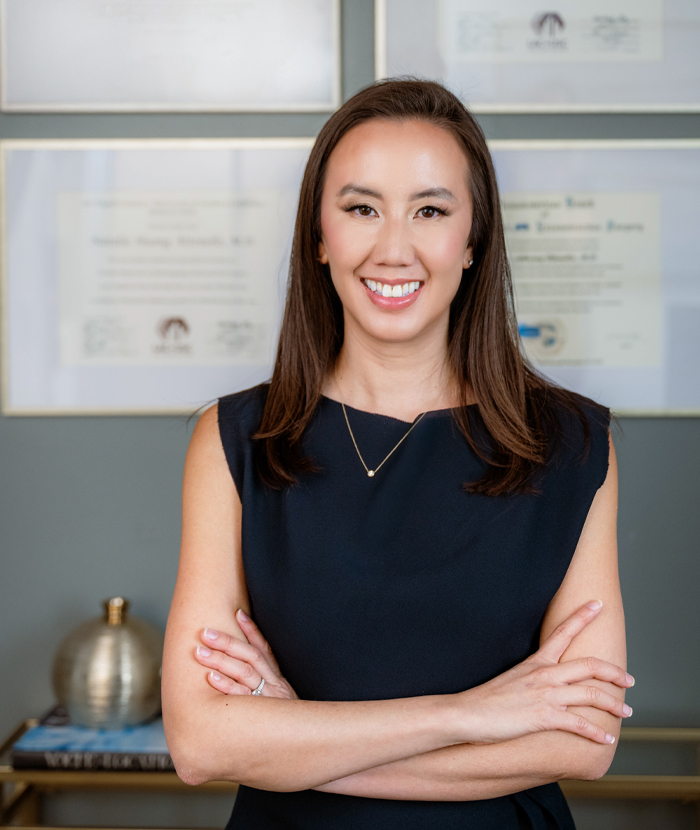
Choosing Dr. Natalie Attenello for Facelift Surgery in Beverly Hills
Dr. Natalie Attenello is a double board-certified and fellowship-trained facial plastic surgeon who specializes exclusively in the face, neck, and scalp. Her approach to facelift surgery is rooted in natural-looking rejuvenation, careful planning, and respect for each patient’s individuality.
Rather than creating an overly tight or operated-on appearance, Dr. Attenello focuses on restoring facial support, improving jawline and neck definition, and helping patients look like a refreshed version of themselves.
Schedule a Facelift Consultation in Beverly Hills
The best age for a facelift is the age when your anatomy, goals, and readiness align. Whether you are in your 40s, 50s, 60s, or beyond, a personalized consultation with Dr. Attenello can help you understand your options with clarity and confidence.
To learn more about facelift surgery in Beverly Hills, contact Dr. Natalie Attenello’s office at (310) 871-9599 or contact us online to schedule your private consultation today. Be sure to visit Dr. Attenello’s patient reviews and facelift before-and-after gallery to hear from some of her many satisfied patients!